Traditional Dental Veneers vs. No-Prep Veneers: Differences to Keep in Mind
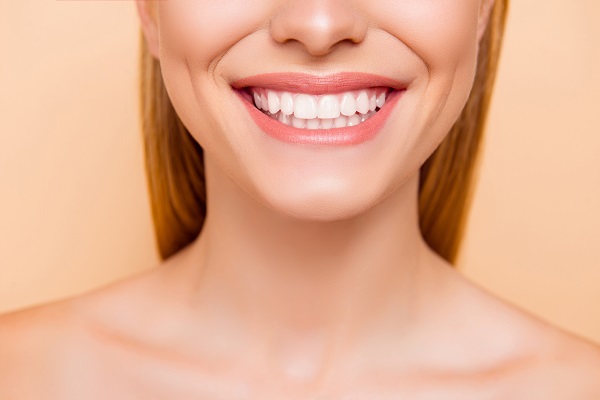
If you have spent any time looking at smile transformations online, you have likely seen traditional dental veneers and no-prep alternatives mentioned as the go-to solution for a wide range of cosmetic concerns. While these thin shells can create a dramatic change, the type you choose depends on the health of your enamel and your personal goals. Learning more about these options can help you choose the one that is best for your smile.
A look at traditional veneers
Traditional dental veneers are thin porcelain shells that cover the front surfaces of teeth. To create a natural appearance and a strong bond, a dentist must grind away a small amount of enamel. This step is necessary to create space; otherwise, the porcelain may look bulky or sit too far forward in the mouth. Because of this process, traditional veneers can help correct significant issues, such as deep staining, uneven edges, or slight misalignment.
Once the teeth are prepared, the dentist will take scans of them, which they send to a dental lab for veneer fabrication. In the interim, they will place temporary veneers on the prepared teeth. It typically takes one to two weeks to get the permanent veneers back from the lab. Thus, the patient will need to return for a second appointment to have them bonded in place.
How no-prep dental veneers differ
As the name suggests, no-prep dental veneers are designed to be placed with minimal removal of the natural tooth structure, sometimes in a single appointment. These shells are also thinner than traditional veneers; they can be made of either porcelain or composite resin. With either material, the dentist bonds it directly to the existing enamel, without significant grinding. This approach is often viewed as a more conservative option because the original tooth remains mostly intact.
Not everyone is a candidate for no-prep veneers. This veneer type is appropriate only when the teeth are already slightly recessed or small enough to accommodate the added layer of porcelain. They are most effective for patients who want to close small gaps or add a slight amount of length to their teeth without changing the overall position of the smile.
Comparison points to discuss during a consultation
A dentist can help patients choose the best dental veneers for their smile. To do so, they will consider a few key points:
- The current shade of the teeth and the desired level of brightness
- The presence of any existing chips, cracks, or large fillings
- The overall alignment of the bite and any history of teeth grinding
- The thickness of the natural enamel available for bonding
- The patient’s oral hygiene habits and long-term goals
These points allow the dentist to recommend a plan that focuses on both the appearance and the longevity of the restoration. By discussing these factors openly, the patient can understand the reasoning behind a dentist’s recommendation for one veneer type over the other.
Explore the different types of dental veneers
Dental veneers can transform a smile, but different types do so in slightly different ways. Are you ready to learn more? Contact Chasing Smiles to schedule a consultation today.
Request an appointment here: https://www.chasingsmilesllc.com or call Chasing Smiles at (334) 276-4446 for an appointment in our Roanoke office.
Check out what others are saying about our dental services on Yelp: Dental Veneers and Dental Laminates in Roanoke, AL.
Related Posts
Dental bonding is a minimally invasive way to enhance or repair the smile. Whether the issue is staining or a minor crack, bonding can be a quick and effective way to address it. Learning more about this common dental service can help you determine whether it is the best option for restoring your smile. Dental bonding…
Choosing between dental bonding and porcelain veneers becomes easier when a cosmetic dentist outlines the benefits, limitations, and long-term value of each option. Many adults today seek smile enhancements that are both natural-looking and durable, but understanding which treatment best fits specific goals can feel overwhelming without professional input. A cosmetic dentist considers factors such…
A smile makeover is a comprehensive approach to enhancing the appearance of the teeth through customized cosmetic treatments. After completing a smile makeover, patients often enjoy renewed confidence, improved oral function, and a more attractive smile. To maintain these results and protect the investment, it is essential to follow proper care routines and dental guidance.Good…
A kid-friendly dentist knows the importance of making oral hygiene an engaging and enjoyable experience for children. Establishing good dental habits at a young age lays the foundation for lifelong oral health. By incorporating creative approaches and strategies, parents and caregivers can help children embrace daily routines with enthusiasm. We recommend reading tips to make…