Dentures 101: What You Can Eat With Dentures
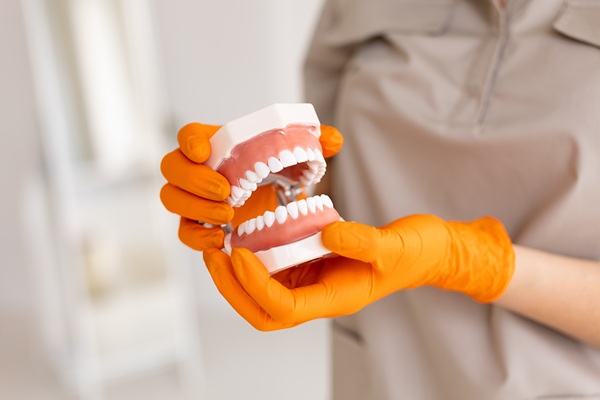
Dentures restore chewing power and an aesthetically pleasing smile, but the right food choices help everything feel natural. During the first few days, soft textures build comfort while you can learn new habits. With simple techniques and smart options, eating with dentures becomes easy and enjoyable. Here are some examples of what denture wearers can eat, modifications to make, and tips for keeping meals stress-free.
Start soft and build confidence
During the early adjustment period, choose foods that require minimal chewing. Scrambled eggs, yogurt, mashed potatoes, oatmeal, and tender fish help the gums adapt without causing soreness. Cut everything into small pieces and chew on both sides simultaneously to keep your dentures stable. Sip water between bites to keep the mouth moist and improve taste and comfort.
Everyday foods that work well
A balanced menu supports energy and oral health. Many everyday foods fit well once patients gain comfort and follow simple preparation tips. Try these ideas:
- Protein: Eggs, soft chicken or turkey, tofu, flaky fish, slow-cooked beans
- Grains: Oatmeal, pasta, rice, soft bread, tortillas, pancakes
- Fruits and vegetables: Ripe bananas, berries without seeds, avocados, steamed carrots, squash
- Dairy and fats: Yogurt, cottage cheese, soft cheese, nut butters thinned with water
Season and cook foods until tender. Choose sauces, broths, and gravies to add moisture, which helps dentures stay comfortable during longer meals.
Foods to approach with care
Some items can challenge new wearers. Patients may not need to avoid them forever, but small changes make them easier to enjoy.:
- Hard or sticky items: Nuts, popcorn kernels, hard pretzels, caramels, unchopped nuts, and sticky candies
- Crunchy produce: Raw apples, hard peaches or plums, and corn on the cob
- Tough meals: Steak or beef jerky
Patients can still enjoy most items on the list above, but they may need to make some adjustments. For example, finely chop nuts, eat softened pretzels, thinly slice apples, and allow peaches and plums to soften before consuming. Further, meats should be slow-cooked to encourage tenderness. If something feels risky, consider modifying the texture, adding moisture, or selecting an alternative that protects dentures from excessive force.
Techniques that make chewing easier
Good technique matters as much as food choice. Cut food into pea-sized bites and chew slowly on both sides to balance pressure. Use the tongue to guide food onto the teeth rather than biting with the front teeth, which can cause dentures to tip. Drink water frequently to support saliva production, especially if the patient is taking any medications that may cause dry mouth. Denture adhesive may add stability during long days or special events, but should only be used in the amount directed and cleaned off nightly.
Reducing discomfort
Healthy tissues make eating pleasant. Rinse dentures after meals, brush them daily with a soft brush and a non-abrasive cleaner, and soak them overnight if recommended by the dentist for removal during sleep. Gently massage the gums with a soft toothbrush to promote circulation. Report any rubbing, looseness, or mouth sores so adjustments can be made to improve the fit and comfort quickly.
Call us for more information
Eating with dentures becomes simple when you start with soft foods, modify challenging foods, and use steady chewing techniques. Moist, tender meals protect gums while you adapt, and small bites with balanced chewing keep the prosthesis stable. If you have further questions about dentures or what foods are suitable for eating, please contact Chasing Smiles today.
Request an appointment here: https://www.chasingsmilesllc.com or call Chasing Smiles at (334) 276-4446 for an appointment in our Roanoke office.
Check out what others are saying about our dental services on Yelp: Dentures and Partial Dentures in Roanoke, AL.
Related Posts
As a parent, you probably understand that pediatric dentistry is an important aspect of your child's overall health. However, you first need to deal with the teething process as the baby teeth emerge from the gums. It varies among babies, but teething typically begins around six months of age. Common symptoms include sore and irritated…
Routine professional dental care is important for people of all ages, including children. Visiting a pediatric dentistry office is the right choice for many families because of the numerous benefits it offers. While any type of regular professional dental care is good for your child's oral health, working with a pediatric dentist can be especially…
There are many ways to keep your teeth bright, white, and healthy. However, you may see unfamiliar stains or shades on your teeth, making them appear gray. Fortunately, a general dentist can evaluate gray teeth by identifying the root cause of the change.It is common for teeth to change color, and it does not always…
Toothaches are commonplace for children and adults alike, but you should still contact your pediatric dentistry office if your child complains of one. This is especially true if the oral pain is:SuddenUnexplainedChronic or reoccurringWorsens with timeContinues for more than a dayAccompanied by other symptoms, such as bleeding, inflammation, oozing, or feverA dentist can help you…