Sedation Dentistry: Relaxing in the Dentist’s Chair
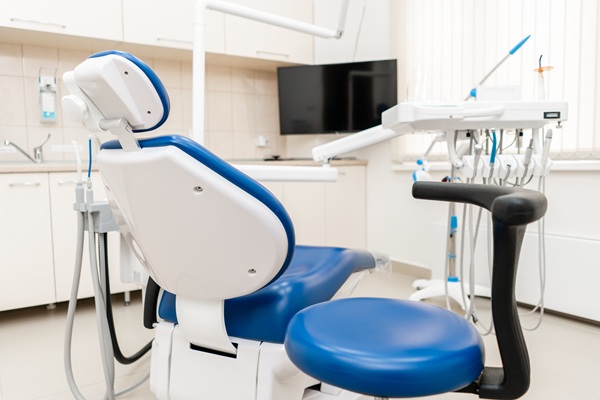
If you find yourself scared of visiting the dentist or undergoing dental procedures, you might benefit from sedation dentistry. Most people dealing with dental anxiety would rather endure pain from dental issues instead of meeting with the dentist. Sedation dentistry can help you deal with your dental fears and relax in the dentist's chair. The dentist can apply sedation for invasive and simple procedures to ensure that you do not feel anything during the treatments. The application of sedation dentistry depends mainly on the nature of the dental anxiety.
Overview of sedation dentistry
Sedation dentistry uses medication to keep patients relaxed in the dentist's chair for treatment. People often call it sleep dentistry, but this is not completely correct. While general anesthesia can be used, patients are usually awake. Dentists use different sedation levels, including:
- Minimal sedation, where the patient is awake but feels relaxed
- Moderate sedation, where the patient is conscious but may be sluggish and have no recollection of the procedure afterward
- Deep sedation, where the patient is hardly conscious but can be awakened if needed
- General anesthesia, where the patient is fully unconscious
Types of sedation options available
The following are the options available in sedation dentistry.
Inhaled minimal sedation
The dentist will administer nitrous oxide, also called laughing gas, together with oxygen via a nose mask attached firmly to the patient's nose. The gas keeps the patient relaxed. The dentist can manage the level of sedation, and the gas's effect often dissipates quickly. With this option, the patient may still be able to go home after dental treatment without assistance.
Oral sedation
The level of this sedation can range from mild to moderate, depending on the dosage administered. Patients will be given a pill for minimal sedation. The drug will be used about an hour before the treatment. It will cause drowsiness, but the person will remain awake. The dentist can induce moderate sedation by increasing the dose.
This is usually the most common method used in sedation dentistry. The drug may cause enough drowsiness that the patient actually falls asleep completely during treatment. However, they can be stirred out of sleep with a gentle shake.
IV moderate sedation
This dentist will induce relaxation by administering a sedative drug through the veins. The intravenous application causes the effects of the sedative to kick in almost immediately. It is possible to control the sedation level throughout the procedure.
Deep sedation and general anesthesia
Patients will take medications that will push them into a near-unconscious or fully unconscious state during the treatment. Patients who are given this option cannot be woken until the anesthesia drug wears off or is reversed. Patients will usually need to arrange transport home afterward because they may be unable to drive.
Final note
All the sedation dentistry options mentioned also include using a local anesthetic to numb the area where the dentist is working and relieve pain. If you are struggling with dental fears, the Chasing Smiles team is here to help you relax in the dentist's chair. Reach out to our Roanoke office to learn more about our sedation options or to schedule a consultation.
Request an appointment here: https://www.chasingsmilesllc.com or call Chasing Smiles at (334) 276-4446 for an appointment in our Roanoke office.
Check out what others are saying about our dental services on Yelp: Sedation Dentistry in Roanoke, AL.
Related Posts
Dental anxiety often arises when patients feel afraid or worried about visiting their dentist's office, whether it be for a routine appointment or necessary procedure. However, even outside of organic feelings, there are a lot of myths that enhance dental anxiety. With the help of a dentist, myths can be set straight. Ready to learn…
As a parent, you probably understand that pediatric dentistry is an important aspect of your child's overall health. However, you first need to deal with the teething process as the baby teeth emerge from the gums. It varies among babies, but teething typically begins around six months of age. Common symptoms include sore and irritated…
Routine professional dental care is important for people of all ages, including children. Visiting a pediatric dentistry office is the right choice for many families because of the numerous benefits it offers. While any type of regular professional dental care is good for your child's oral health, working with a pediatric dentist can be especially…
There are many ways to keep your teeth bright, white, and healthy. However, you may see unfamiliar stains or shades on your teeth, making them appear gray. Fortunately, a general dentist can evaluate gray teeth by identifying the root cause of the change.It is common for teeth to change color, and it does not always…